
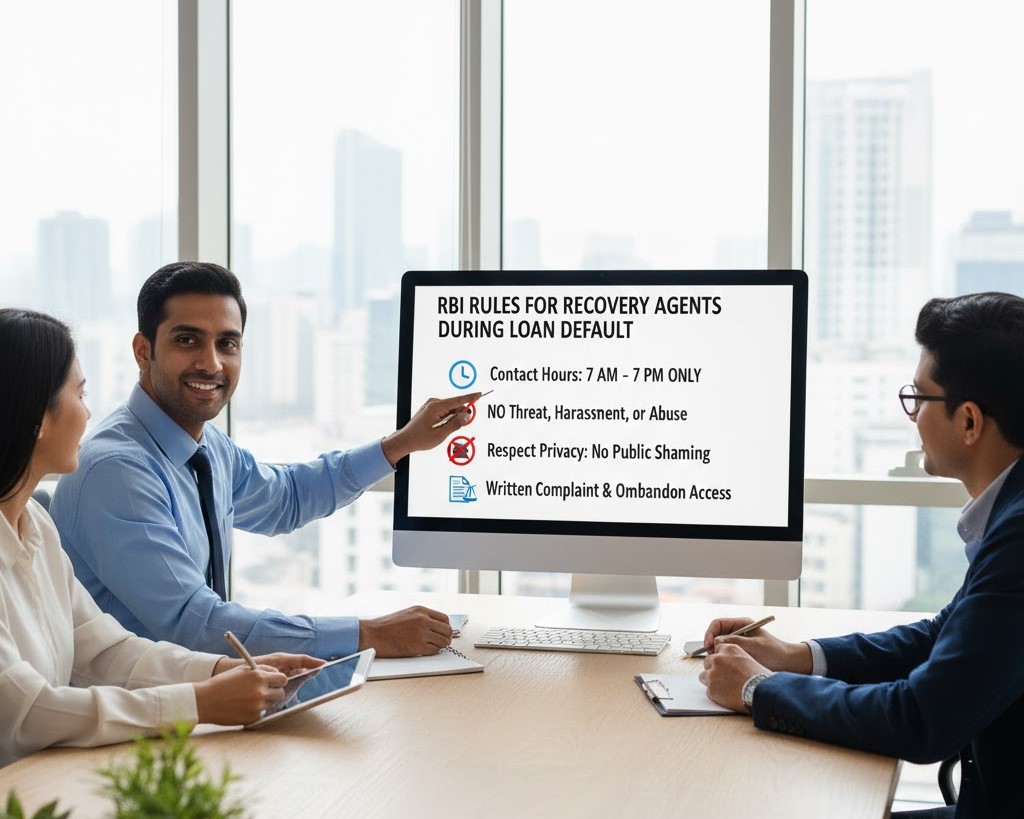
Facing a loan default can be stressful enough without the added burden of relentless Agent Harassment. Fortunately, the Reserve Bank of India (RBI) has issued strict RBI Guidelines that all regulated entities—including banks, NBFCs, and their recovery agents—must follow.
It is critical that borrowers know these rules. Knowing your rights is your strongest defense against illegal intimidation and abuse during the Loan Settlement process.
Contact Timing and Frequency: Your Right to Peace
The RBI has clearly defined when and how agents can contact you, putting an end to abusive, late-night calls.
- Permitted Contact Hours: Recovery agents can only contact you between 8:00 AM and 7:00 PM on working days. Any call or visit outside these hours is a direct violation of RBI guidelines and should be immediately reported.
- Reasonable Frequency: While the RBI doesn’t specify a hard limit on calls, the communication must be reasonable and not amount to harassment. Persistent, excessive, or intimidating calling is prohibited.
Conduct and Dignity: Protection Against Harassment
The RBI’s primary focus is on ensuring a borrower’s dignity and privacy are protected, even during default.
- Respectful Conduct: Agents must maintain respectful and professional conduct. They are strictly prohibited from using threatening or abusive language, physical force, or any form of intimidation.
- Privacy Protection: Agents cannot discuss your debt with friends, family, neighbours, or colleagues. They cannot visit your workplace without your explicit written consent. Public humiliation or disclosure of your debt status is a severe violation.
- Female Borrowers: Specific guidelines may apply to female borrowers, often mandating that only female recovery agents can contact them, and interactions must occur within specified timeframes.
Identification and Transparency: Know Who You’re Dealing With
You have the right to know exactly who is contacting you and on whose authority.
- Mandatory Identification: Every recovery agent must carry an official Identity Card and an Authorization Letter from the bank or NBFC they represent.
- Prior Notice: Banks are generally required to inform the borrower of the name and contact details of the recovery agency/agent before forwarding the case.
- Document Demand: Always demand proper identification and cross-verify the agent’s details with the lender’s customer service before engaging in any discussion.
Grievance and Accountability: How to Fight Back
If a recovery agent violates any of these guidelines, you have a clear escalation path.
- Lender’s Grievance Cell: Your first step is to file a formal complaint with the bank’s Grievance Redressal Officer, providing all details (date, time, agent name, nature of harassment).
- RBI Integrated Ombudsman: If the bank fails to resolve the complaint within 30 days or provides an unsatisfactory answer, you must escalate the matter to the RBI Integrated Ombudsman via the online portal.
- Police Complaint (FIR): For extreme cases involving criminal intimidation, threats, or physical abuse, you should file a complaint with the local police station under relevant sections of the IPC.
Pro Tip: Banks cannot forward a case to recovery agents if a complaint lodged by the borrower is still pending resolution, unless they can prove the complaint is frivolous.
Don’t let Agent Harassment delay your journey to financial recovery. Knowing the RBI Guidelines is the first step toward reclaiming your peace and successfully navigating your Settle Loan path.