
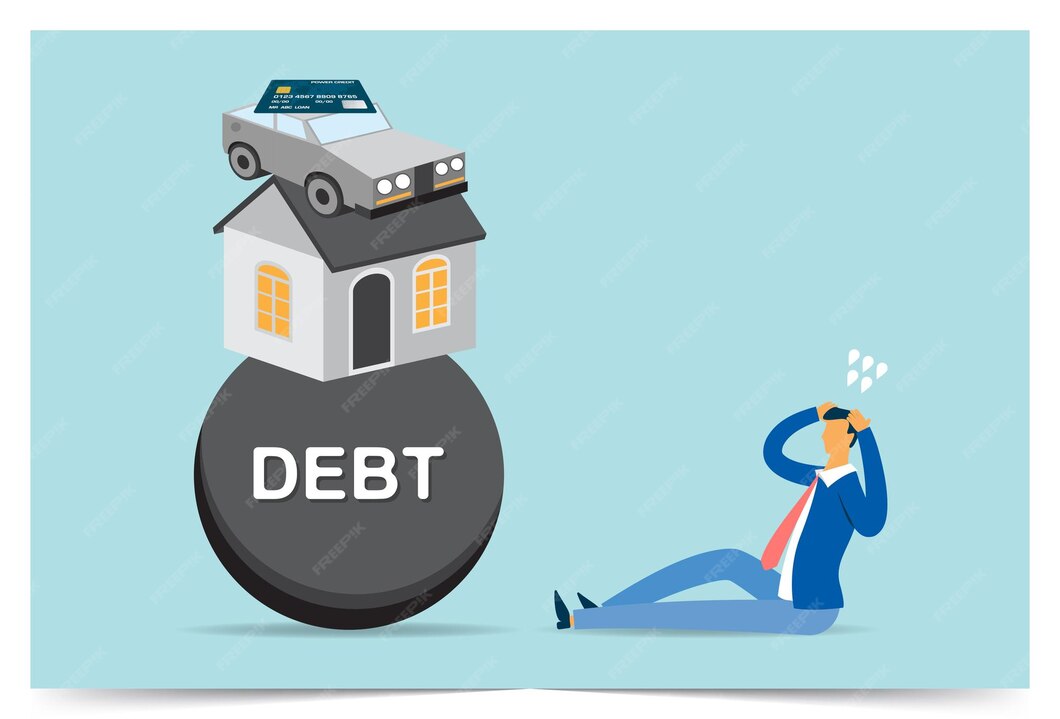
Facing a personal loan settlement is a difficult decision. It takes courage to confront your debt and reach out to the bank to resolve it. But what happens when you’re met with a polite but firm bank rejection? It can feel like a dead end, leaving you stressed and without a clear path forward.
If your settlement offer was declined, don’t worry—it’s not the end of the road. It’s simply the first step in a negotiation. At Settle Loan, we understand the bank’s perspective and can help you develop a strategy to get a “yes.”
Here are the top reasons a bank says no, along with proven negotiation tips to turn your situation around.
Reason #1: You Aren’t Financially Distressed (In the Bank’s View)
This is the most common reason for a bank rejection. From the bank’s perspective, they will only agree to a settlement if they believe there is a high risk of the account becoming a Non-Performing Asset (NPA) that they cannot recover. If you’ve only missed one or two payments, the bank sees you as a customer who is simply behind on their dues, not a defaulter in a state of permanent hardship.
- Negotiation Tip: Wait. Banks are more open to a settlement once an account has been overdue for at least 90 to 180 days. This is when the account is formally classified as an NPA, and a settlement becomes a more attractive option for them than a prolonged legal battle.
Reason #2: You Can’t Prove Your Hardship
You may be in a dire financial situation, but if you can’t prove it, the bank won’t take your settlement offer seriously. Without documented evidence, the bank will assume you are trying to avoid paying your full debt.
- Negotiation Tip: Gather your evidence. If you’ve lost your job, get a termination letter. If your business is struggling, collect bank statements showing a significant drop in revenue. For medical emergencies, get copies of hospital bills. The more proof you have, the stronger your case. Your goal is to show the bank that your inability to pay is due to a genuine and unforeseen circumstance.
Reason #3: Your Offer is Unrealistic
Every bank has a minimum threshold for the amount of “haircut” (the discount they give on the outstanding amount) they are willing to take. If your offer is too low, it will be immediately rejected. While you might be able to get a settlement for 70-80% of the total outstanding amount (including interest and penalties), an offer of 30% or 40% is likely to be a non-starter.
- Negotiation Tip: Start with a realistic, but slightly lower, offer. Research what other settlements have been accepted for similar loans and use that as your starting point. Be prepared to negotiate and increase your offer to a reasonable amount.
Reason #4: The Bank’s Collection Efforts Are Still Working
If you are still making token payments or promising to pay “next month,” the bank’s collection department has no incentive to forward your case for a settlement. From their perspective, their aggressive collection tactics are working, and they will continue to pursue a full recovery.
- Negotiation Tip: Stop making token payments. A bank will only consider a settlement when it is convinced that you cannot and will not make further payments on the full amount.
The Ultimate Negotiation Tip: Get Expert Help
Facing a bank rejection is frustrating, but it’s a normal part of the process. Trying to navigate this alone, especially when you are already under immense financial stress, can lead to costly mistakes.
A professional service like Settle Loan is your ultimate negotiation tip. We understand the internal policies of different banks, know what documentation is required, and can present your case in a professional and compelling manner. We handle the emotionally draining back-and-forth so you can focus on getting back on your feet.
A rejected settlement offer isn’t the end of your journey. It’s the beginning of a new strategy. Contact us today for a consultation and let’s turn that “no” into a success.