Loan Settlement Effect on CIBIL Score: How to Improve Your Credit After Settlement
Does loan settlement affect your CIBIL score? Yes, it can. Depending on your previous credit history, a loan settlement may reduce your CIBIL score by approximately 75–100 points and the account may be reported as "Settled" instead of "Closed". This guide explains how loan settlement impacts your credit report, the difference between Settled and Closed status, how long the impact remains, and the practical steps you can take to rebuild your CIBIL score.

75–100
Possible Score Drop18–24
Months to RebuildHow This Guide Was Prepared
This article is based on publicly available information from credit information companies, Reserve Bank of India (RBI) regulations, banking practices, lender reporting standards and commonly accepted credit risk principles followed by banks and NBFCs in India. The exact impact on an individual's credit score depends on several factors including previous repayment history, outstanding liabilities, credit utilisation, loan type and future repayment behaviour.
How Does Loan Settlement Affect Your CIBIL Score?
Loan settlement is often considered by borrowers who are facing genuine financial hardship and are unable to repay the complete outstanding amount. While settlement may provide immediate financial relief, it can also affect your credit profile because the lender reports that the loan was settled for less than the total amount due. Understanding this impact before accepting a settlement offer helps you make informed financial decisions.
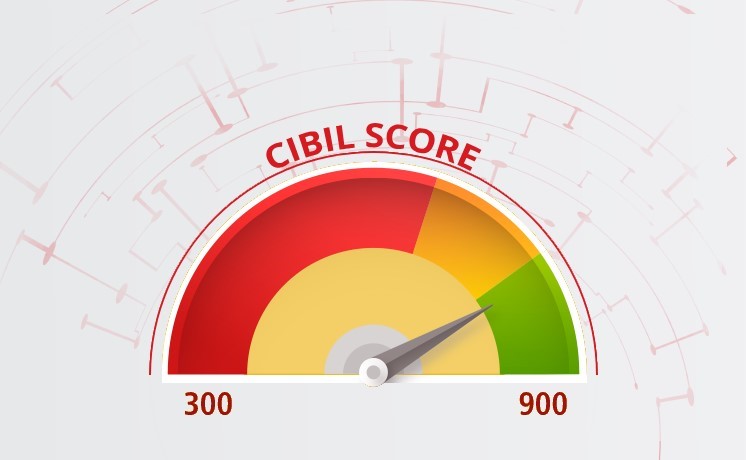
Does Loan Settlement Lower Your CIBIL Score?
Yes. In many situations, loan settlement can reduce your CIBIL score because the lender reports that the loan obligation was not fully repaid according to the original agreement. The exact reduction depends on your overall credit profile, existing score, repayment history and the number of active credit accounts.
Financial experts generally estimate that borrowers may experience an approximate reduction of 75 to 100 points, although the actual impact can be higher or lower depending on individual circumstances. Someone with an excellent credit history may notice a larger visible change than a borrower whose score was already low before settlement.
Important to Know
Loan settlement should generally be considered only when regular repayment is no longer financially possible. Before accepting any settlement offer, understand how the account will be reported to credit bureaus and what it could mean for your future borrowing eligibility.
Many borrowers believe that once a loan is settled, the matter is completely over. While the lender may consider the account resolved under the agreed settlement terms, your credit report may continue to show the account as "Settled", which is different from an account marked "Closed". This distinction is important because lenders reviewing future loan applications often examine not only your credit score but also the repayment status of previous accounts.
The good news is that a lower CIBIL score is not permanent. Responsible financial behaviour, timely EMI payments on future loans, responsible credit card usage and a structured credit rebuilding plan can gradually improve your credit profile over time.
Key Takeaways Before You Choose Loan Settlement
Loan settlement can provide relief during financial hardship, but it also affects your credit history. Understanding these key facts before accepting a settlement offer helps you make a better financial decision.
Possible CIBIL Score Drop
After loan settlement, your CIBIL score may reduce by approximately 75–100 points. The exact impact depends on your existing credit profile, repayment history and overall credit behaviour.
Settled Is Different From Closed
A loan reported as "Settled" indicates that the outstanding amount was resolved for less than the total dues. A "Closed" account means the entire loan was repaid according to the agreed terms.
Credit Recovery Takes Time
Most borrowers require approximately 18–24 months of responsible credit behaviour to gradually rebuild their credit profile after settlement.
Your Score Can Improve Again
Timely EMI payments, responsible credit card usage and maintaining a healthy credit mix can gradually improve your CIBIL score after settlement.
How Much Can Loan Settlement Affect Your CIBIL Score?
Every borrower has a different credit profile, so there is no fixed number by which a CIBIL score falls after settlement. However, financial experts commonly estimate that borrowers may experience an approximate reduction of 75–100 points depending on their existing credit history.
If you previously maintained an excellent repayment record and had a high CIBIL score, the visible reduction may appear larger because lenders expected a stronger repayment history. On the other hand, borrowers whose scores were already low may notice a comparatively smaller change.
The impact is influenced by multiple factors including:
- Your CIBIL score before settlement.
- Total outstanding loan amount.
- Number of active loans and credit cards.
- Previous repayment history.
- Whether multiple accounts were settled.
- Future repayment behaviour after settlement.
Important Fact
There is no RBI rule stating that every loan settlement reduces the CIBIL score by exactly 75 or 100 points. This is an estimated range commonly observed in the financial industry, while the actual impact depends on the borrower's complete credit profile.
Quick Summary
Estimated Score Impact
75–100
Approximate point reduction depending on your existing credit profile and repayment history.
Settled vs Closed vs Default in CIBIL Report
One of the biggest misconceptions among borrowers is that "Settled" and "Closed" mean the same thing. They are completely different credit statuses and lenders interpret them differently while evaluating future loan applications.
| Feature | Settled | Closed | Default |
|---|---|---|---|
| Loan Fully Repaid | No | Yes | No |
| Outstanding Amount | Partially Paid | Fully Paid | Unpaid |
| CIBIL Reporting | Settled | Closed | Default / Written Off (depending on lender reporting) |
| Impact on Credit Score | Moderate to High | Minimal | Very High |
| Future Loan Approval | May Become Difficult | Generally Better | Significantly Difficult |
| Preferred by Banks | No | Yes | No |
Which Status Is Better?
A "Closed" account is generally viewed more positively because it indicates that the borrower repaid the entire outstanding amount according to the loan agreement. A "Settled" account shows that the lender accepted less than the total amount due, while a "Default" status usually reflects a more serious repayment issue. Understanding these differences is important before agreeing to any settlement proposal.
How Long Does It Take to Improve Your CIBIL Score After Loan Settlement?
There is no overnight solution for rebuilding your credit score after loan settlement. The recovery process depends on your future financial behaviour. Most borrowers who consistently maintain good credit habits may start seeing gradual improvements within 18–24 months.
Immediately After Loan Settlement
Once the lender accepts the settlement amount, the account is generally reported as "Settled" to the credit bureau instead of "Closed". This indicates that the loan was resolved by accepting less than the total outstanding balance.
Depending on your existing credit profile, your CIBIL score may reduce and lenders reviewing future loan applications may notice the settlement status while evaluating your repayment history.
- Loan account marked as Settled.
- Estimated score reduction of around 75–100 points (varies by profile).
- Future lenders may review the settlement record.
- Credit rebuilding should begin immediately.
What Should You Do?
Keep your settlement letter safely, verify that the lender has updated the account correctly and download your latest CIBIL report to ensure accurate reporting.
First 3–6 Months After Settlement
The first few months are extremely important because your future repayment behaviour starts building a fresh repayment history. Lenders and credit bureaus observe whether you continue making payments responsibly on your active credit accounts.
- Pay every EMI before the due date.
- Pay credit card bills in full whenever possible.
- Avoid taking unnecessary personal loans.
- Do not miss any future repayments.
- Regularly monitor your CIBIL report.
Avoid These Mistakes
Applying for multiple loans or credit cards immediately after settlement may result in several hard enquiries, which can further affect your credit profile.
6–12 Months of Responsible Credit Behaviour
Borrowers who consistently maintain financial discipline often begin noticing gradual improvements in their credit profile during this period. While the "Settled" remark continues to appear, regular repayments help demonstrate improved financial responsibility.
- Maintain a low credit utilisation ratio.
- Continue timely EMI payments.
- Avoid payment delays on utility-linked credit products.
- Review your credit report for reporting errors.
- Maintain older credit accounts whenever appropriate.
Remember
Your CIBIL score does not improve simply because time has passed. Improvement depends primarily on responsible financial behaviour after the settlement.
18–24 Months and Beyond
Many borrowers who maintain excellent repayment discipline for approximately 18–24 months may significantly improve their credit profile. Although the historical settlement record may still remain visible for a period, lenders generally evaluate both your previous repayment issues and your recent financial behaviour before making lending decisions.
- Strong repayment history improves lender confidence.
- Healthy credit utilisation supports score recovery.
- Stable income and responsible borrowing strengthen your profile.
- Future loan approvals may gradually become easier.
- Continue monitoring your credit report regularly.
How Long Does the "Settled" Status Remain?
The loan settlement record generally remains part of your credit history for up to 7 years from the date it is reported by the lender. Although the historical record remains visible, maintaining responsible credit behaviour throughout this period can gradually improve your overall creditworthiness.
Want to Rebuild Your CIBIL Score Faster?
If your loan has already been settled, the next step is rebuilding your credit profile. A structured credit improvement strategy can help you establish healthier repayment behaviour, monitor your credit report and gradually strengthen your borrowing eligibility over time.
How Settle Loan's Credit Score Builder Helps
Improving your CIBIL score requires consistency, planning and financial discipline. Our Credit Score Builder service is designed to help borrowers understand the factors affecting their credit profile and follow a structured recovery roadmap after loan settlement.
Every borrower's financial situation is different. Some people need guidance in understanding their credit report, while others need help identifying the reasons behind a low CIBIL score. Our experts analyse your current credit profile and recommend practical steps that may help strengthen your future borrowing eligibility.
- Review your current credit report.
- Identify factors affecting your CIBIL score.
- Recommend practical credit improvement strategies.
- Guide responsible credit utilisation.
- Help you build positive repayment history.
- Support long-term credit rebuilding goals.
Why Start Early?
The earlier you begin rebuilding your credit profile after settlement, the sooner you can establish a positive repayment history. Consistency over the next 18–24 months is usually far more important than trying to increase your score quickly.
Credit Recovery Checklist
✔ Pay every EMI on time
✔ Keep utilisation below 30%
✔ Avoid unnecessary borrowing
✔ Monitor your CIBIL report
✔ Follow a structured rebuilding plan
Mistakes That Can Delay Your CIBIL Score Recovery
Many borrowers unknowingly make financial decisions that slow down their credit improvement. Avoiding these common mistakes can help you rebuild your credit profile more effectively.
Missing Future EMIs
After settlement, every future EMI becomes extremely important. Missing another payment can further weaken your repayment history.
Maxing Out Credit Cards
Using almost your entire credit limit increases your utilisation ratio and may negatively affect your credit score.
Applying for Multiple Loans
Frequent loan applications generate multiple hard enquiries, which lenders may interpret as increased credit risk.
Ignoring Credit Report Errors
Always review your credit report carefully and raise disputes if you notice incorrect information or inaccurate account reporting.
Closing Old Credit Accounts
Long-standing credit accounts often contribute positively to your credit history. Closing them unnecessarily may affect your credit profile.
Expecting Instant Improvement
Credit rebuilding is a gradual process. Responsible financial behaviour over several months is the most effective way to improve your CIBIL score.
Frequently Asked Questions About Loan Settlement & CIBIL Score
Find answers to the most common questions related to loan settlement, CIBIL score impact, settled status and credit rebuilding.
Does loan settlement affect my CIBIL score?
Yes. Loan settlement may reduce your CIBIL score because the lender reports the account as "Settled" instead of "Closed". The impact varies depending on your existing credit profile, repayment history and other active credit accounts.
How many points can my CIBIL score fall after loan settlement?
There is no fixed number prescribed by RBI or CIBIL. However, financial experts commonly estimate that borrowers may experience an approximate reduction of 75–100 points depending on their credit profile.
What is the difference between Settled and Closed in a CIBIL report?
A Closed account means the borrower repaid the entire outstanding amount as per the loan agreement. A Settled account means the lender accepted less than the total outstanding dues through a negotiated settlement.
Which is better: Settled or Closed?
From a credit perspective, a Closed account is generally viewed more positively because it indicates full repayment. A Settled account may affect future lending decisions.
How long does the "Settled" status remain on my credit report?
The settlement history generally remains part of your credit report for up to 7 years from the date it is reported by the lender. During this period, maintaining good repayment behaviour can gradually strengthen your credit profile.
Can I improve my CIBIL score after loan settlement?
Yes. Timely EMI payments, responsible credit card usage, low credit utilisation, avoiding unnecessary loan applications and following a structured credit rebuilding plan can gradually improve your CIBIL score.
Can I get another loan after settlement?
Yes, but approval depends on your current credit score, repayment history, income, lender policies and overall credit profile. Some lenders may apply stricter eligibility checks if previous accounts show a Settled status.
Can a Settled account later become Closed?
In certain situations, if the remaining outstanding amount is subsequently paid according to the lender's policy, the reporting may change. This depends entirely on the lender's internal process and should be confirmed directly with the lender.
How long does it take to rebuild a CIBIL score after settlement?
Every borrower is different, but many people begin seeing gradual improvement within approximately 18–24 months of consistently maintaining healthy credit behaviour.
Can the Credit Score Builder service help?
Yes. Our Credit Score Builder service helps borrowers understand their credit profile, identify factors affecting their score and follow a structured roadmap for long-term credit improvement.
Improve Your CIBIL Score With the Right Strategy
Loan settlement does not have to define your financial future. With disciplined repayment habits, responsible credit management and the right guidance, you can gradually rebuild your credit profile and improve your future borrowing opportunities.