
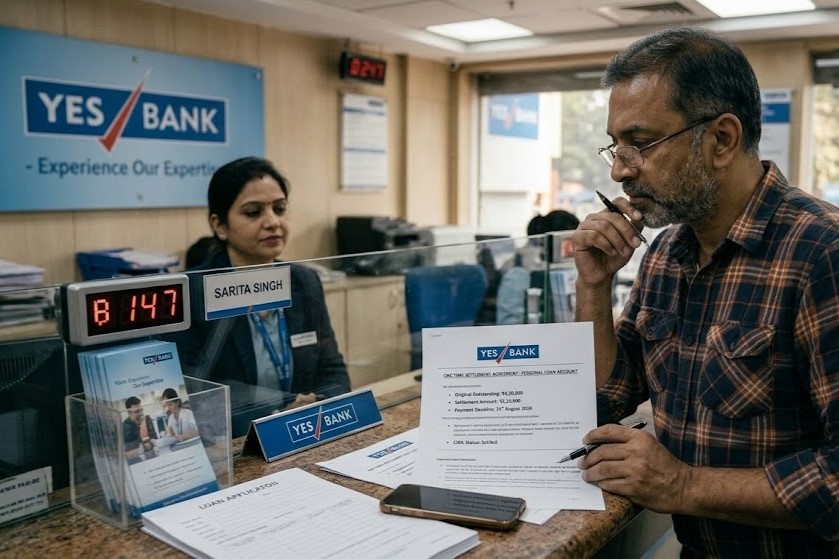
For the aspirational Indian middle class, a steady income is the engine that drives every dream—from purchasing a home to funding a child’s education. Modern retail banking makes these milestones highly accessible through structured EMIs. However, this reliance on credit creates a fragile financial balancing act. A sudden medical emergency, a corporate restructuring, or a brief period of unemployment can instantly throw a carefully managed household budget into complete chaos.
When your monthly fixed obligations begin to outpace your take-home pay, the psychological and financial strain can feel overwhelming. If your family is caught in a cycle of borrowing from one credit line just to pay off another, it is time to reassess your approach. Rather than allowing interest penalties to wipe out your remaining savings, exploring a structured loan settlement offers a practical, dignified pathway to clear your liabilities and restore your family’s financial stability.
The Mid-Income Trap: Why Standard Debt Consolidation Fails
When a middle-class household faces an increasing EMI burden, their initial instinct is often to look for standard consolidation loans or balance transfers. While these options sound ideal in theory, they rarely solve a structural income crisis:
Once you miss consecutive payments, your credit rating drops, making you ineligible for standard, low-interest bank consolidations. Turning to short-term, high-interest fintech apps or informal lenders to bridge the gap only accelerates the problem.
When a structural budget mismatch occurs, your priority must shift from protecting a temporary credit score to preserving the liquid cash your family needs for daily living expenses, school fees, and healthcare.
A Step-by-Step Recovery Plan for Middle-Class Households
Overcoming severe debt stress requires shifting from reactive panic to organized, proactive financial planning. Here is how a family can systematically take back control of their finances:
1. Draw a Hard Boundary Around Your Liquid Savings
Stop liquidating long-term assets like your Public Provident Fund (PPF), Employee Provident Fund (EPF), or ancestral gold just to keep up with unsecured credit card dues or personal loan EMIs. Unsecured debts are contract disputes; they are not worth destroying your family’s foundational safety net over. Keep your remaining cash reserves liquid to ensure your household can function.
2. Centralize and Document All Hardship Proofs
Lenders do not agree to debt compromises based on verbal claims of poverty. To secure a substantial waiver, you must build a clear, documented case of financial hardship. Gather your salary slips showing pay cuts, official termination letters, medical diagnosis reports, or bank statements showing business loss. This paperwork serves as your primary leverage when entering a formal bank negotiation.
3. Establish a Communication Buffer
Do not let non-stop collection calls disrupt your work or home life. Move all your correspondence with lenders to official, trackable email channels. Clearly state your current financial difficulties, attach your documentation, and express your genuine intent to resolve the account through a One-Time Settlement (OTS) framework once your funds are organized. This builds a clean legal record and helps reduce aggressive collection pressure.
Navigating the Trade-offs with Care
The Non-Negotiable Rule of Settlement: A credit compromise is a powerful defensive tool, but it requires strict attention to detail. Never pay any money based on a verbal promise from a collection agent. Always insist on receiving an official, system-generated Settlement Sanction Letter printed on the bank’s letterhead. This document must clearly state the exact waiver amount, the agreed payment timeline, and a guarantee that the bank will clear your outstanding balance to zero upon receipt of the funds.
While the entry of a compromise on your TransUnion CIBIL profile will temporarily restrict your ability to get unsecured loans for a few years, it eliminates the immediate threat of legal escalations and stops compounding penal interest from draining your monthly income.
Conclusion: Rebuild Your Financial Future
Experiencing a debt crisis is a manageable setback, not a permanent failure. Taking a proactive approach to resolve your liabilities is a responsible step toward protecting your family’s long-term peace of mind.
If your household is currently struggling beneath an unmanageable EMI burden and you are facing intense pressure from recovery teams, you don’t have to navigate the banking system alone. Connect with the specialized debt resolution advisors at Settle Loan today. Our experienced team will handle all formal communications with your lenders, protect your family from aggressive collection tactics, and negotiate a legally sound loan settlement that closes your debts for an affordable fraction of what you owe!